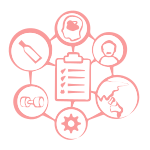
This is all about collecting data about you for you. Data gives you power, and it helps you to get a more detailed picture of where you are at.
You can track things like sleep, activity, mood, your symptoms and behaviour using apps, a journal or fitness watches. You can start to look for patterns that might be affecting your mental health. Do you need more support with your mood, eating habits, or concentration?
How it works
Outcome monitoring is often called ‘tracking’. Tracking your symptoms, behaviours, and mood help you identify areas on which you might want to focus. This can help make sure that your care is matched to your needs, circumstances, and preferences. Keeping track of your progress gives you a concrete record of things like:
Tracking your warning signs and triggers helps you notice the early changes that signal when your mental health might be shifting, so you and your care team can take action sooner. These signs can be physical, emotional, or behavioural such as changes in sleep, mood, or motivation.
Warning signs and triggers
Looking at patterns and trends over time helps you see the bigger picture of your mental health. It can reveal how your mood, energy, or symptoms change in response to things like stress, sleep, or routines. Noticing these links makes it easier to understand what affects your wellbeing and to plan ahead for times when you might need extra support.
Patterns and trends
Tracking what works and what doesn’t helps you understand which strategies, treatments, or habits actually make a difference for you. Over time, this gives you clear evidence of what supports your wellbeing and what might need to change. It helps you and your care team adjust things based on what’s most effective for you.
What works for you
The Benefits
Tell your story once: Having access to your real-time data means you can take this information with you to all appointments. Everyone involved in your care can view the same information.
Tracking your symptoms, behaviours, and mood can help you feel prepared for sessions and means sessions are driven by what is going on for you.
Monitoring your outcomes over time can help you advocate for changes in your care to match your changing needs and circumstances.
Things to Reflect on
How do you think outcome monitoring could help you?
What outcomes would you want to track?
How might outcome monitoring change your care?
Explore the other components of the model...
Personalised care is all about putting you at the centre of your mental health care.
Clinical Staging
Mental health occurs along a spectrum and can change over time. Learn more by reading about Clinical Staging.