



Multi-Dimensional
Assessment
Why it matters
Many different things contribute to better mental health like your relationships, participating in education or work, and your physical health.
It takes a skilled team working together to manage a person’s mental health. One clinician working alone may not be able to address all of your needs. For example, you may need to see an occupational therapist, a psychiatrist, a social worker, or even a tutor, or physical trainer.
How it works
Assessing and tracking your mental and physical health gives you and your health professionals insight into your mental health journey.
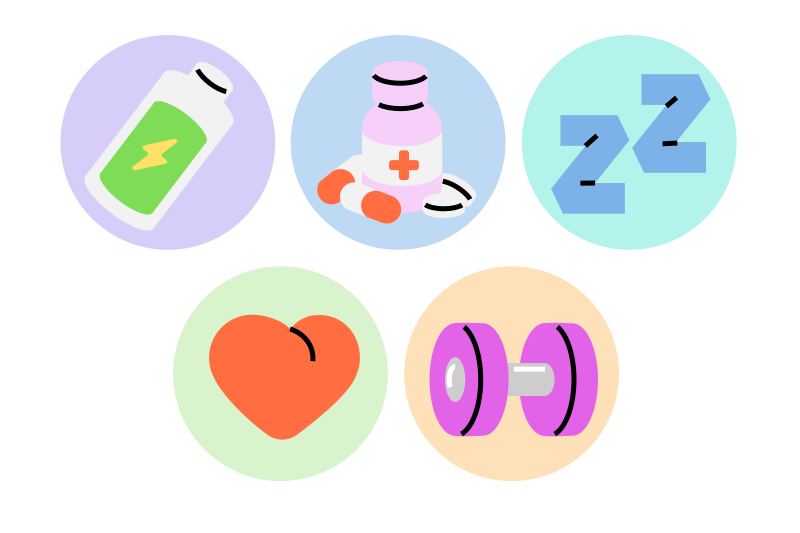
Physical Health plays a big role in how you feel and function. Things like sleep, nutrition, and exercise don’t just affect your body — they also influence your mood, energy, and ability to think clearly. When your body is well-rested, nourished, and active, you’re better able to cope.
Physical health
Medication, sleep, eating exercise & activity
Your current and past mental health experiences help paint a fuller picture of who you are and what supports you might need. Understanding your mood, thinking patterns, and past treatment helps you and your care team see what’s worked, what hasn’t, and what might help now.
Current and past mental health
Learn about your mental health make-up
Keeping up with responsibilities, connecting with others, or finding enjoyment in your usual activities can say a lot about your mental health. Changes in motivation, focus, or social connection are often early signs that something’s not quite right.
Functioning
School relationships, doing things you enjoy
Alcohol and other drug use can have a big impact on your mental health and wellbeing. Talking openly about your use helps you and your care team understand what role substances play in your life and how to support you safely.
Alcohol and drug use
We all have different cultures, identities, and beliefs that influence how we understand and experience wellbeing. Recognising these differences helps you and your care team understand what matters most to you, so your care can reflect your values, traditions, and unique perspectives.
Who you are
Culture, identity, spirituality
The experiences, environments, and moments that have influenced your life so far tell part of your story. Things like family dynamics, your stage of life, or significant events can all affect how you respond to challenges and what kind of support feels right.
Background
Age, family life, major life events

You can use the information from the multidimensional assessment to learn more about your mental and physical health. For example, are you sleeping well, getting enough sunlight and physical activity.
The most important result is that you are able to do the things that are most important to you. Ensure that you share your current needs and goals with your health care providers so that you are working on problems that are most important to you!
Types of professionals that might be involved in your care
Based on your unique needs, you may benefit from working with different people. It can be useful to understand the role of different supports. Here we have a list of some different people that might be in a care team:
What they do
Peer workers use their own lived experience of mental health challenges and recovery in a structured, professional way to support others. They draw on what they’ve learned through their own journey to provide insight, guidance, and practical support, and they work as part of the broader care team.
How they support you
They may help you navigate services, understand your options, help you identify what might work for you, and build confidence in your own recovery. They can also contribute to service improvement by ensuring lived experience perspectives inform how programs and supports are developed.
Where you might see them
Peer workers are employed across youth mental health services, community organisations, hospitals, and digital or group-based programs. They work alongside clinicians and other team members to ensure that care is informed by lived experience and that young people feel understood and supported.
What they do
Aboriginal health workers play a key role in supporting Aboriginal and Torres Strait Islander young people, families, and communities. Depending on the setting they may provide both clinical and non-clinical support. This can include health checks, basic care, advocacy, cultural guidance, and helping you navigate services that might otherwise feel complex or unfamiliar.
How they support you
They often act as a cultural bridge between community and mainstream services, helping build trust and improve communication. They advocate for your rights, support you in decision-making, and ensure culture stays at the centre of your care.
Where you might see them
You may meet Aboriginal health workers in a clinic, hospital, school, community organisation, or justice setting. They might be called an Aboriginal Health Worker, Aboriginal Liaison Officer, or a similar title. Across all settings, they play a vital role in strengthening connections to community, culture, and Country while helping young people feel supported as they move through different systems and services.
What they do
Case workers or mental health workers help coordinate the practical and emotional supports a person may need. They assess your situation, develop a tailored support plan, and connect you with services such as health care, counselling, housing, or community programs.
How they support you
They keep track of your progress, adjust plans when things change, and provide support during challenging periods or crises. Some roles may also include therapeutic or skills-based support.
Where you might see them
You’ll find case workers and mental health workers in community organisations, hospitals, government services, and other settings where coordinated care is essential.
What they do
Occupational therapists (OTs) help you manage the everyday parts of life — especially when your mental health makes things feel harder. They get to know your routines, strengths, and environment, and work with you on practical skills like self-care, organisation, managing your space, or staying engaged with school, work, or activities you enjoy. They also teach coping strategies, grounding techniques, and ways to manage stress or strong emotions.
How they support you
OTs help you break tasks into manageable steps, rebuild confidence, and find meaningful activities that support your wellbeing. They may suggest small changes to your environment or introduce tools that make daily life easier, supporting both your mental and physical health needs.
Where you might see them
You’ll find OTs in youth mental health services, community organisations, hospitals, schools, and other settings where practical, skills-based support is important. Their goal is to help you participate in daily life in ways that support your independence, wellbeing, and sense of control.
What they do
General Practitioners (GPs) are doctors trained in general medicine who diagnose and treat a wide range of health concerns. They’re often the first point of contact when you have a medical issue, whether it’s physical, mental, or both. GPs can assess symptoms, order tests, prescribe medication, and provide ongoing care for common health conditions.
How they support you
A GP helps you understand what’s going on with your health and works with you to plan the next steps. For mental health, they can talk through what you’re experiencing, offer initial support, write mental health care plans, prescribe medication if needed, and refer you to specialists or other services. They often coordinate between different parts of the health system to make sure you get the right support at the right time.
Where you might see them
You’ll usually see GPs in local medical centres, community clinics, or youth health services. They work closely with other professionals — like psychologists, psychiatrists, and allied health workers — to make sure your physical and mental health needs are both considered and supported.
What they do
Student Support Officers (SSOs) are non-teaching members of the school’s wellbeing team. They support students through individual check-ins, group programs, and whole-school wellbeing activities. They help build coping skills, support transitions, and coordinate referral pathways and programs.
How they support you
An SSO can be someone you speak to when things feel difficult at school or at home. They work with teachers, counsellors, families, and external services to make sure you’re connected to the right support. They also help identify concerns early and provide practical strategies to manage challenges.
Where you might see them
You’ll see SSOs in primary and high schools as part of the wellbeing space. They’re available for check-ins, group sessions, and school-wide programs, and they work behind the scenes to coordinate support and link students with community services.
What they do
Community Elders, cultural leaders, and religious leaders provide guidance, support, and knowledge rooted in culture, tradition, and community values. They can help resolve conflicts, maintain cultural practices, and offer advice on life challenges. They also contribute to community-based programs that support wellbeing and connection.
How they support you
These leaders offer culturally informed support that can help you feel grounded, safe, and connected to your identity. People often turn to them for guidance, spiritual or cultural advice, and help navigating stressful situations. They play a key role in promoting belonging, reducing isolation, and supporting healing through culturally relevant practices.
Where you might see them
You may connect with them through community organisations, cultural groups, places of worship, youth programs, or local events. They often work alongside health and wellbeing services to make sure support is culturally appropriate and aligned with the needs and values of the community.
What they do
Psychiatrists are medical doctors who specialise in mental health. They assess, diagnose, and treat mental and emotional conditions, and can prescribe and manage medication. They also provide therapy and develop treatment plans that may include medication, psychological therapies, or other medical treatments.
How they support you
A psychiatrist helps you understand what’s going on with your mental health and works with you to find the right treatment approach. They monitor how you’re responding to medication or therapy, adjust your plan when needed, and coordinate with other professionals involved in your care. In some situations, they may recommend hospital-based support or more intensive treatment if required.
Where you might see them
You may meet psychiatrists in hospitals, community mental health services, private clinics, or youth mental health settings. They often work closely with GPs, psychologists, social workers, and other members of your care team to provide comprehensive support.
What they do
Psychologists are university-trained mental health professionals who specialise in understanding how people think, feel, and behave. They assess and diagnose mental health conditions, and provide evidence-based psychological therapies — such as Cognitive Behavioural Therapy (CBT), Acceptance and Commitment Therapy (ACT), or trauma-focused approaches. Psychologists work with a wide range of concerns, including anxiety, depression, stress, trauma, relationship difficulties, and more complex or long-term mental health conditions.
How they support you
A psychologist can help you make sense of what you’re experiencing, identify patterns that may be affecting your wellbeing, and develop strategies to improve your mental health. They may use structured therapy approaches, work with you on goals, teach practical skills, and support you to manage symptoms over time. They often collaborate with your GP, psychiatrist, counsellor, or other members of your care team to ensure your support is coordinated and tailored to your needs.
Where you might see them
Psychologists work in many settings including private practices, community mental health services, hospitals, schools, universities, and youth mental health centres. Some specialise in particular groups or issues, such as trauma, neuropsychology, child and adolescent mental health, or behavioural therapies. Depending on the setting, you may be able to access psychology sessions through Medicare with a referral from your GP
What they do
Social workers support people by understanding their social, emotional, and practical needs, and helping them navigate challenges in their lives, families, and communities. They provide counselling, advocacy, and guidance, and link people with services such as housing support, financial assistance, legal aid, healthcare, or community programs. They also work at a broader level — addressing inequality, contributing to policy, and helping develop programs that strengthen communities.
How they support you
A social worker can help you manage difficult situations, understand your options, and access the supports you need. They offer practical and emotional support during issues like mental health challenges, family conflict, domestic violence, homelessness, or financial stress. They advocate for your rights, help coordinate services, and support you during crises. Their role focuses on ensuring you feel safe, supported, and connected to the resources that can improve your overall wellbeing.
Where you might see them
Social workers are found in many settings, including hospitals, youth services, community organisations, schools, government departments, housing services, domestic violence services, mental health teams, and justice settings. They work with individuals, families, and communities across a wide range of issues — from mental health and disability support to housing, substance use, family safety, and community development.
What they do
Disability support workers provide practical, emotional, and social support to people with disabilities, including those with mental health needs. They assist with daily tasks, community participation, and personal goals, while helping create routines and environments that support wellbeing and independence.
How they support you
A disability support worker can help with personal care, household tasks, transport to appointments, and staying engaged with study, work, or activities. They also offer emotional support, help build routines that reduce stress or anxiety, encourage confidence, and support you to manage day-to-day challenges. They work closely with psychologists, therapists, and doctors to follow your care plan, notice changes in your mental health, and respond if things become difficult.
Where you might see them
You might meet disability support workers through community organisations, NDIS providers, supported independent living services, schools, or health settings. They work with children, young people, and adults to help each person feel safe, supported, and able to participate meaningfully in daily life.
What they do
Mental health nurses are registered nurses with specialised training in mental health care. They assess mental and physical health, develop recovery-focused care plans, administer and monitor medications, and provide therapeutic support. They work with people experiencing a wide range of mental health challenges including distress, trauma, mood disorders, and acute crises and play a key role in both immediate treatment and ongoing recovery.
How they support you
A mental health nurse helps you understand your symptoms, supports you through difficult moments, and works with you on strategies to manage your mental health day to day. They can provide counselling, help de-escalate distress, educate you and your family about mental health, and connect you with community services. They collaborate closely with psychiatrists, psychologists, GPs, and other team members to make sure your care is coordinated, safe, and centred on your needs.
Where you might see them
You’ll find them in private practices, hospitals, community mental health teams, crisis services, youth mental health centres, and inpatient or outpatient programs. They work across both voluntary and involuntary treatment settings and help ensure that care is holistic, evidence-based, and aligned with your rights, wellbeing, and recovery goals.
What they do
Student Learning Support Officers (SLSOs) work in classrooms to support students with diverse learning needs, including those with disabilities or additional support requirements. They assist teachers with learning activities, provide one-on-one or small-group support, help implement Individual Education Plans (IEPs), and may assist with personal care or school routines. Some SLSOs have specialised roles supporting students with sensory needs, early learning needs, or bilingual backgrounds.
How they support you
An SLSO helps make learning more accessible and manageable. They might work with you on class tasks, help break activities into steps, support your communication, or assist with movement, organisation, or wellbeing needs throughout the school day. They also help create a safe and inclusive classroom environment by reinforcing learning, supporting behaviour plans, and helping you participate fully in school activities like excursions or programs.
Where you might see them
You’ll see SLSOs in classrooms across primary and high schools, working closely with teachers and learning support teams. They provide practical, day-to-day assistance during lessons, school routines, and extracurricular activities. Their role is different from a Student Support Officer (SSO), who focuses more on wellbeing and linking students with external services.
What they do
University career and student advisors help students make informed decisions about their study and career pathways. They offer guidance on course selection, degree planning, and future career options, and provide support with job applications, resumes, interview preparation, and scholarship or program applications. They also help students understand university processes, policies, and resources.
How they support you
An advisor can help you navigate challenges like poor grades, disengagement, stress, or uncertainty about your direction. They support your academic and personal development by helping you identify strengths, set goals, explore career paths, and build skills for the workforce. They can also provide advice on fees, financial assistance, and link you with other university services such as academic skills, wellbeing support, or disability and accessibility services.
Where you might see them
You’ll find career and student advisors in university student centres, careers services, or faculty offices. They support prospective students exploring their options, and current students at any stage of their degree who need guidance with study decisions, career planning, or accessing supports.
What they do
Counsellors are trained professionals who use evidence-based, talk-based therapies to support people through personal, emotional, or mental health challenges. They help you explore what’s going on, clarify issues, develop coping strategies, and build self-awareness. Counsellors work with a wide range of concerns from stress, grief, and relationship difficulties to anxiety, trauma, life transitions, and identity exploration. Their work focuses on understanding your experience and helping you move forward in a practical, supportive way.
How they support you
A counsellor offers a confidential space where you can talk openly and work through what’s on your mind. They listen without judgement, help you explore your options, and support you to develop strategies that fit your situation. Depending on your needs, they may work alongside your GP, psychologist, psychiatrist, or other members of your care team to make sure your support is coordinated and holistic. Their role is centred on building a trusting relationship that helps you cope, grow, and feel more in control.
Where you might see them
Counsellors work in many settings including schools, universities, community organisations, youth services, workplaces, and private practice. Some may specialise in specific areas, such as grief, trauma, addiction, relationships, or LGBTQIA+ support. Because the title “counsellor” isn’t legally protected in Australia, it’s important to look for someone with accredited training (such as the Australian Counselling Association (ACA) and the Psychotherapy and Counselling Federation of Australia (PACFA) so you know you’re receiving support from a qualified professional.

Adding people to your care team doesn’t mean there’s something wrong with you or you’re “too sick”, it’s just about meeting your needs.
It also doesn’t just have to be about having different types of clinicians, it can be things like finding a clinician with a similar cultural background or being able to choose the gender of your clinician. Whatever helps to meet your individual needs best.
Things to Reflect on
What does multi-dimensional assessment mean to you?
How do you think multi-dimensional assessment could help you?
What areas do you want to include in your own care?
Is this approach different from what you may have experienced before?
Explore the other components of the model...
Personalised care is all about putting you at the centre of your mental health care.

Clinical Staging
Mental health occurs along a spectrum and can change over time. Learn more by reading about Clinical Staging.

Outcome Monitoring
Tracking your progress can help you identify patterns in your mental health. Learn more by reading about Outcome Monitoring.

Shared Decision-Making
It is important that you have a voice in decisions about your care. Learn more by reading about Shared Decision-Making.
Together, these components can help you and your health professional personalise your care journey so that it’s right for your needs and preferences.